
Major in History at Erskine College!
In Erskine’s History Major, you can develop valuable skills in communication and critical thinking, both key assets in today’s workplace. You will also be equipped to read critically, write clearly, and research responsibly.
Many graduates go on to earn graduate and professional degrees. The program can prepare you for a wide range of careers including:
- Law
- Business
- Education
- Information Management
- Ministry
- Public service
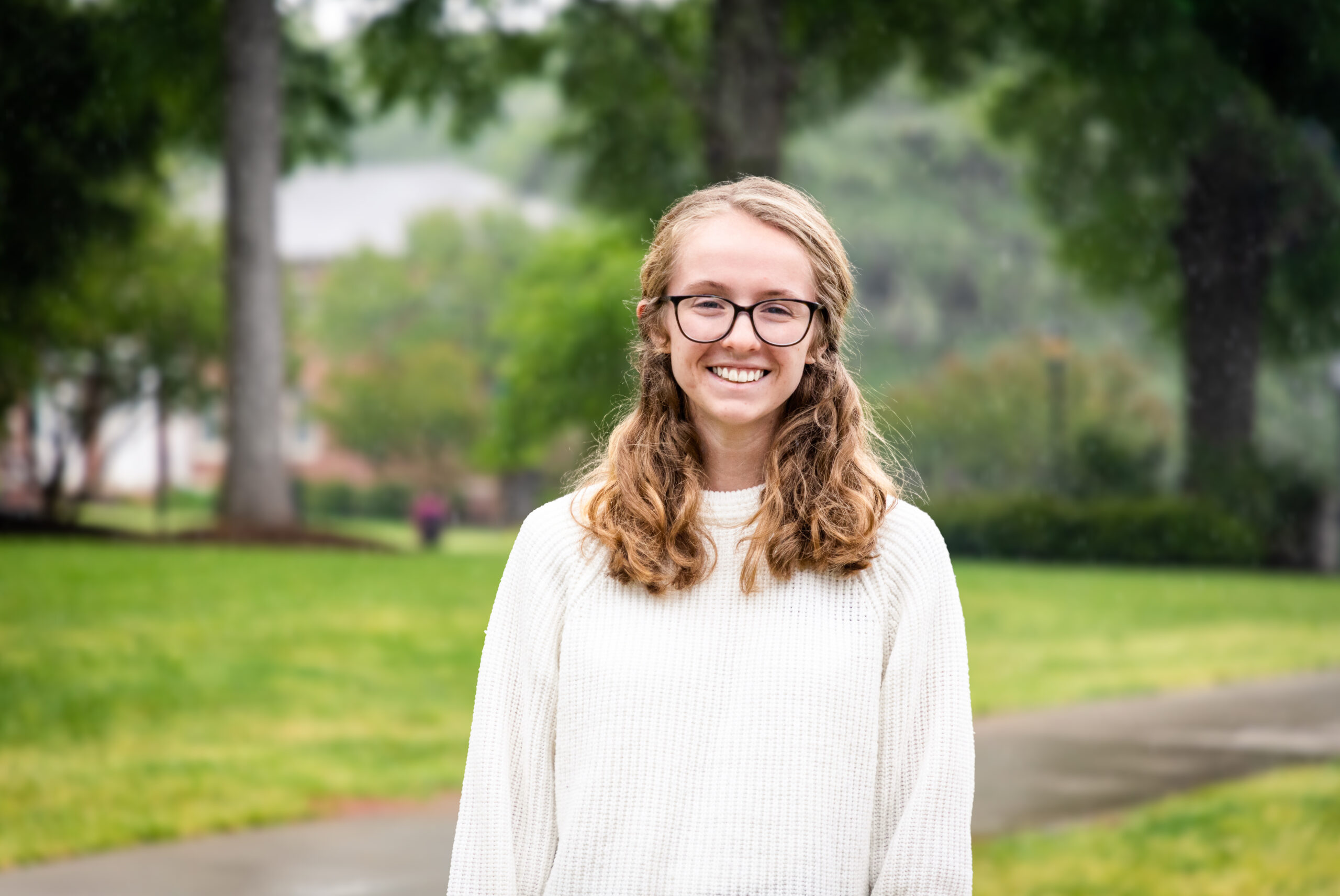
Studying the humanities allows me to understand people in a different way from the sciences. My history degree has helped me understand my own history, as well as the histories of people all around the world. It has exposed me to other cultures and encouraged me to work to understand them. I have learned to see patterns of human behavior across time. In addition, I have learned how to identify the arguments of others and to craft my own. My history classes teach me the consequences of the fall of mankind—the conflicts and pain it causes. They also teach me to take into account the circumstances in which people live and how the historical situation affects people’s decisions and attitudes.
– Ariel Bishop, Biology and History major, Chemistry and English minor, class of 2024

I’ve learned how to better analyze information and clarify my thoughts in writing. I’ve learned how to better connect ideas across disciplines, which has been beneficial as I complete three majors.
– Sharon George, History, Psychology, and Bible & Religion major, class of 2024
Degree Details: History Major
Coursework and Skillset
Erskine’s program prepares you with a thorough knowledge of the past and its application to the present. Your studies will include a course in historical skills and methods, along with classes in diverse time periods and regions, which may include:
- World Civilizations
- American History
- Medieval History
- European History
- The Modern Middle East
- Asian History
- Great Britain
- The Renaissance and Reformation
- The Greeks and the Romans
- Africa in Modern Times
- Latin America in Modern Times
- Contemporary Global Issues
Your studies will increase your understanding of cultural diversity, give you historical perspective on current events, and equip you to exercise ethical responsibility in our world today.
Political Science
Closely related to history, the Political Science Major gives you the tools to understand and appreciate government and politics. Learn more here!
Social Studies
The Social Studies Major is designed for students seeking teacher certification in social studies at the high school level. Learn more here!
International Studies
The International Studies major is designed for students with eclectic interests, entrepreneurial spirit, and global vision. The program focuses on intercultural communication, leadership, and business skills. Learn more here!
More Info
Erskine College Admissions
Learn about the application process or get in touch with the Admissions Office.
Careers
“10 Popular History Degree Jobs,” Indeed. https://www.indeed.com/career-advice/finding-a-job/history-degree-jobs
“The Best Jobs and Career Advice for History Majors,” Glassdoor. https://www.glassdoor.com/blog/guide/jobs-history-majors/
“Occupational Outlook Handbook: Field of degree: History,” U.S. Bureau of Labor Statistics. https://www.bls.gov/ooh/field-of-degree/history/history-field-of-degree.htm